
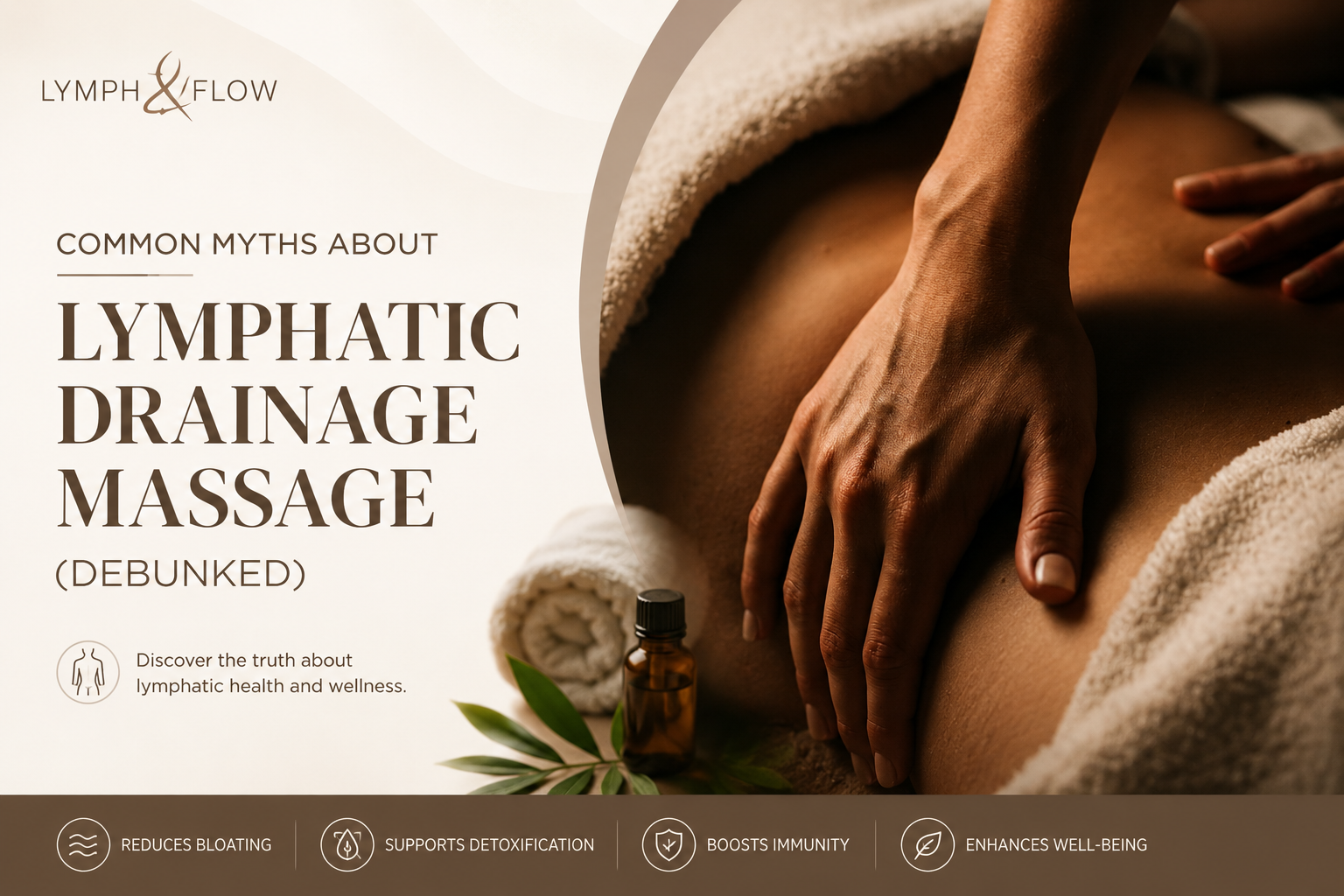
Lymphatic Drainage Dubai: Benefits, Cost, Recovery & How to Choose the Best Clinic
If your ankles puff up by 4 p.m., your body still feels heavy weeks after a flight, or your surgeon told you to book lymphatic sessions before your tummy tuck, you've probably typed some version of "lymphatic drainage Dubai" into Google more than once. You're not alone — this is one of the fastest-growing wellness searches in the city, and for good reason.
Dubai's mix of long summers, frequent air travel, high-heel office culture, and a booming cosmetic surgery scene means more residents are dealing with fluid retention, sluggish circulation, and slow post-op healing than they'd like to admit. Lymphatic drainage has become the quiet fix behind a lot of "how do you look so refreshed" comments at brunch.
This guide breaks down exactly what lymphatic drainage is, who benefits from it, what a session actually involves, how much it costs in Dubai, and how to choose a therapist who actually knows what they're doing — not just someone with a nice massage table and a ring light. By the end, you'll know enough to book your first (or next) session with confidence.
[Image suggestion: Featured image — therapist performing manual lymphatic drainage on a client's leg in a bright, minimalist treatment room. Alt text: "Therapist performing manual lymphatic drainage massage in Dubai clinic." Filename: manual-lymphatic-drainage-dubai.webp]
What Is Lymphatic Drainage?
Your lymphatic system is a quiet, unsung part of your body — a network of vessels and nodes that runs alongside your blood vessels, carrying a clear fluid called lymph. Its job is to collect excess fluid, waste products, and toxins from your tissues and move them back toward your bloodstream, where your body can filter and eliminate them. It's also a core part of your immune system, since lymph nodes filter out bacteria and abnormal cells along the way.
Unlike your circulatory system, the lymphatic system doesn't have a pump like the heart. It relies on muscle movement, breathing, and gravity to keep fluid flowing. When that flow slows down — from inactivity, surgery, injury, hormonal changes, or simply standing at a desk all day — fluid can pool in the tissues, leading to puffiness, heaviness, and visible swelling.
Lymphatic drainage massage is a light, rhythmic technique designed to manually encourage that stagnant fluid to move again. It's noticeably gentler than a deep-tissue massage; the pressure is closer to a light stroke than a knead, because the lymphatic vessels sit just under the skin, not deep in the muscle.
[Image suggestion: Simple lymphatic system illustration showing lymph nodes and vessels. Alt text: "Illustration of the human lymphatic system." Filename: lymphatic-system-diagram.webp]
Why Is Lymphatic Drainage So Popular in Dubai?
A few things have converged to make this one of Dubai's most-booked wellness treatments:
- A mature cosmetic surgery industry. Dubai is a regional hub for liposuction, BBLs, and tummy tucks, and most surgeons now build lymphatic drainage into standard post-op protocols.
- A luxury wellness culture. From Downtown Dubai to Dubai Marina, high-end spas and recovery clinics have normalized proactive, preventative self-care — not just treatment after something goes wrong.
- Lifestyle factors. Long-haul travel through Dubai International Airport, intense heat that encourages fluid retention, and desk-bound office jobs in Business Bay and JVC all contribute to sluggish circulation.
- A beauty-conscious market. Many residents pair lymphatic drainage with body contouring routines for smoother, less puffy-looking skin before events or travel.
- Postpartum demand. New mothers across Jumeirah, Dubai Hills, and Emirates Hills increasingly seek gentle, doctor-approved lymphatic support during recovery.
Benefits of Lymphatic Drainage
When performed correctly by a trained therapist, lymphatic drainage may offer a range of supportive benefits:
- Reduces swelling and puffiness, particularly in the legs, arms, and face
- Improves circulation, helping fluid and nutrients move more efficiently through tissue
- Supports the body's natural detoxification processes by encouraging lymph flow
- Supports immune function, since a well-drained lymphatic system helps nodes filter waste more effectively
- Speeds up recovery after surgery or intense physical activity by clearing fluid buildup
- Reduces water retention, especially after travel, salty meals, or hormonal shifts
- Deeply relaxing, thanks to its slow, rhythmic strokes
- Can contribute to smoother-looking skin by reducing fluid-related puffiness
- Supports the healing process around surgical or injured areas when cleared by a doctor
- Complements body contouring goals by reducing post-procedure swelling that can obscure results
It's worth being clear-eyed here: lymphatic drainage is a supportive therapy, not a weight-loss treatment or a medical cure. Reputable clinics will never promise fat loss from massage alone.
Who Should Get Lymphatic Drainage?
Lymphatic drainage tends to suit a wide range of people, including:
- Office workers who sit or stand for long hours
- Athletes managing muscle fatigue and swelling
- Frequent travelers dealing with flight-related fluid retention
- Pregnant women, with prior doctor approval
- Post-surgery patients recovering from cosmetic or medical procedures
- Liposuction recovery patients
- Tummy tuck recovery patients
- Anyone recovering from cosmetic surgery more broadly
- People experiencing general fluid retention
- Individuals with sluggish circulation
Who Should Avoid It?
Lymphatic drainage isn't right for everyone. It's generally not recommended for people with:
- Active infections or fever
- Untreated blood clots (deep vein thrombosis) or clotting disorders
- Congestive heart failure or serious cardiac conditions
- Active cancer in some cases, without oncologist clearance
- Kidney failure or severe kidney disease
- Certain untreated skin infections or open wounds near the treatment area
This list isn't exhaustive. If you have any underlying health condition, are on blood thinners, or are pregnant, always consult your doctor before booking a session. A responsible clinic will ask about your medical history before treating you — and should never skip this step.
What Happens During a Session?
1. Consultation. Your therapist reviews your medical history, current concerns (swelling, recent surgery, travel fatigue), and any doctor's notes if you're in post-op recovery.
2. Assessment. A quick visual and physical check of the treatment area to identify where fluid is pooling and how your skin and tissue respond to light pressure.
3. Treatment. Using slow, rhythmic strokes that follow the direction of lymph flow — typically starting near the neck and collarbone (key drainage points) before moving to the target area.
4. Aftercare guidance. Your therapist explains what to expect afterward — mild fatigue, increased urination, or light bruising in sensitive post-surgical areas is normal.
5. Expected results. Many clients notice reduced puffiness and a lighter feeling within 24–48 hours, though full benefits build with consistent sessions.
[Image suggestion: Post-treatment consultation between therapist and client. Alt text: "Post-treatment consultation after lymphatic drainage session in Dubai."]
How Many Sessions Are Needed?
It depends on your goal:
- General wellness/maintenance: 1 session every 2–4 weeks
- Fluid retention or travel recovery: 2–3 sessions over one to two weeks
- Post-surgery recovery (liposuction, BBL, tummy tuck): Often 6–10 sessions in the first few weeks, following your surgeon's specific protocol
- Long-term maintenance: Many clients continue monthly sessions as part of an ongoing wellness routine
Your therapist should tailor this to your body's response rather than pushing a fixed package.
Lymphatic Drainage After Surgery
This is where lymphatic drainage moves from "nice to have" to genuinely important. After procedures like liposuction, BBL, tummy tuck, mommy makeover, or breast surgery, the body's natural lymphatic pathways are often disrupted by swelling, fluid buildup (seroma risk), and tissue trauma.
Surgeons frequently recommend MLD because it can help:
- Reduce post-operative swelling and firmness
- Support smoother, more even healing of treated tissue
- Ease discomfort associated with fluid buildup
- Support the body's own recovery timeline
Timing matters. Most surgeons advise starting sessions a few days to a week after surgery, once initial healing has begun — but this should always be confirmed directly with your surgeon, since every procedure and patient is different. A qualified therapist working in post-surgical recovery will always request surgical clearance before treating a fresh procedure.
[Image suggestion: Calm, clean recovery room setup. Alt text: "Post-surgery lymphatic drainage recovery room in Dubai clinic."]
Cost of Lymphatic Drainage in Dubai
Pricing varies depending on the clinic's location, therapist experience, session length, and whether it's a single session or a post-surgery package. As a general guide:
- Single wellness session: roughly AED 300–500
- Post-surgery specialized session: roughly AED 400–800
- Multi-session recovery packages: often discounted per session when booked in bundles of 6–10
Prices tend to run higher in areas like Downtown Dubai and Palm Jumeirah compared to community clinics, largely reflecting facility standard and therapist certification level. Always confirm exact pricing directly with a clinic, since rates change and post-surgery pricing depends on your specific procedure.
How to Choose the Best Lymphatic Drainage Clinic in Dubai
Not all "lymphatic drainage" listings are equal. Before booking, check for:
- ✔ Licensed therapists registered with Dubai Health Authority (DHA) or relevant local health authority
- ✔ Certified MLD specialists trained in recognized techniques (such as Vodder or Leduc methods)
- ✔ Genuine client reviews, not just polished testimonials
- ✔ A clean, professional clinic environment with proper hygiene protocols
- ✔ Personalized treatment plans, not one-size-fits-all packages
- ✔ Demonstrated experience, especially with post-surgical clients if that's your need
- ✔ A safety-first approach, including a proper intake and medical history review
- ✔ Clear aftercare guidance after every session
If a clinic can't answer basic questions about contraindications or skips your medical history intake entirely, that's a red flag.
Why Choose Lymph & Flow?
At Lymph & Flow, sessions are led by experienced, trained therapists who take the time to understand your specific goals — whether that's post-surgery recovery, everyday swelling, or simply making space for rest in a busy week. Treatment rooms are designed to feel calm and unhurried, hygiene standards are treated as non-negotiable, and techniques are grounded in modern, evidence-informed practice rather than guesswork. Every plan is built around you, not a fixed package, which is a big part of why clients keep coming back.
[Image suggestion: Luxury treatment room interior. Alt text: "Luxury lymphatic drainage treatment room in Dubai." Filename: luxury-wellness-treatment-room-dubai.webp]
Before Your Appointment
- Eat a light meal beforehand — avoid arriving on a completely empty or overly full stomach
- Drink water in the hours leading up to your session
- Wear comfortable, loose clothing
- Share your full medical history, including medications and recent procedures
- If post-surgery, bring any notes or clearance from your surgeon
Aftercare Tips
- Hydration: Drink plenty of water for 24–48 hours to help your body process the increased fluid movement
- Walking: Gentle movement supports continued lymph flow — avoid staying sedentary right after
- Nutrition: Favor light, low-sodium meals to avoid counteracting the session's effects
- Compression garments: Wear them if recommended by your surgeon or therapist, especially post-surgery
- Sleep: Prioritize rest, particularly after post-operative sessions
- Avoid alcohol: Skip alcohol for at least 24 hours, as it can work against fluid balance
Frequently Asked Questions
What is lymphatic drainage massage? It's a gentle, rhythmic massage technique designed to stimulate the lymphatic system and encourage the movement of excess fluid and waste out of the tissues.
How long does lymphatic drainage last? A single session typically runs 45–60 minutes, though the reduction in swelling from one session can last anywhere from a few days to a couple of weeks depending on your body and lifestyle.
Is lymphatic drainage painful? No — it should feel gentle and light, closer to a soft stroke than deep pressure. Post-surgical areas may feel more sensitive, but the technique itself is never meant to hurt.
How much does lymphatic drainage cost in Dubai? Prices generally range from around AED 300 to AED 800 per session, depending on the clinic, therapist experience, and whether it's a wellness or post-surgical session.
Can lymphatic drainage reduce belly fat? No. It can reduce fluid-related swelling and puffiness, but it is not a fat-loss treatment. Any changes in appearance come from reduced fluid retention, not fat reduction.
Can I exercise after a lymphatic drainage session? Light movement like walking is usually encouraged, but intense exercise is generally best avoided for the rest of the day, especially after post-surgical sessions.
Can I have lymphatic drainage every week? Yes, for general wellness and maintenance, weekly or biweekly sessions are common. Post-surgery protocols may be more frequent in the initial weeks, based on your surgeon's guidance.
Does lymphatic drainage help after liposuction? Yes, it's one of the most commonly recommended post-liposuction therapies, often helping manage swelling and supporting the healing process alongside your surgeon's care plan.
How soon after surgery should I start lymphatic drainage? This varies by procedure and surgeon, but many begin within the first one to two weeks post-op, once cleared by their surgeon.
Is lymphatic drainage safe during pregnancy? It can be safe for some pregnant women, but only with prior approval from an obstetrician, since certain pressure points and techniques need to be avoided.
What should I wear to a session? Loose, comfortable clothing is best, since you'll likely be asked to expose the treatment area (e.g., legs, abdomen) during the session.
Will I need to urinate more after a session? Yes, this is a common and expected response as your body processes the increased fluid movement.
Can lymphatic drainage help with jet lag or travel swelling? Many clients book sessions specifically for this — it's a popular choice among frequent travelers passing through Dubai.
Is manual or machine lymphatic drainage better? Neither is universally "better" — manual technique offers more precision and is often preferred post-surgery, while machine therapy is useful for broader, general maintenance.
Do I need a doctor's referral? Not usually for general wellness sessions, but post-surgical treatment should always be coordinated with your surgeon's recovery plan.
Conclusion
Lymphatic drainage isn't a trend — it's a genuinely useful, well-established technique that supports your body's own fluid balance, whether you're recovering from surgery, managing everyday swelling, or just trying to feel lighter after a long week. The key is finding a licensed, experienced therapist who takes your health history seriously and builds a plan around your specific needs rather than pushing a generic package.
If you're ready to feel less puffy, more mobile, and genuinely supported through recovery or everyday wellness, book a consultation with a qualified lymphatic drainage therapist in Dubai and start with a plan built around you.