
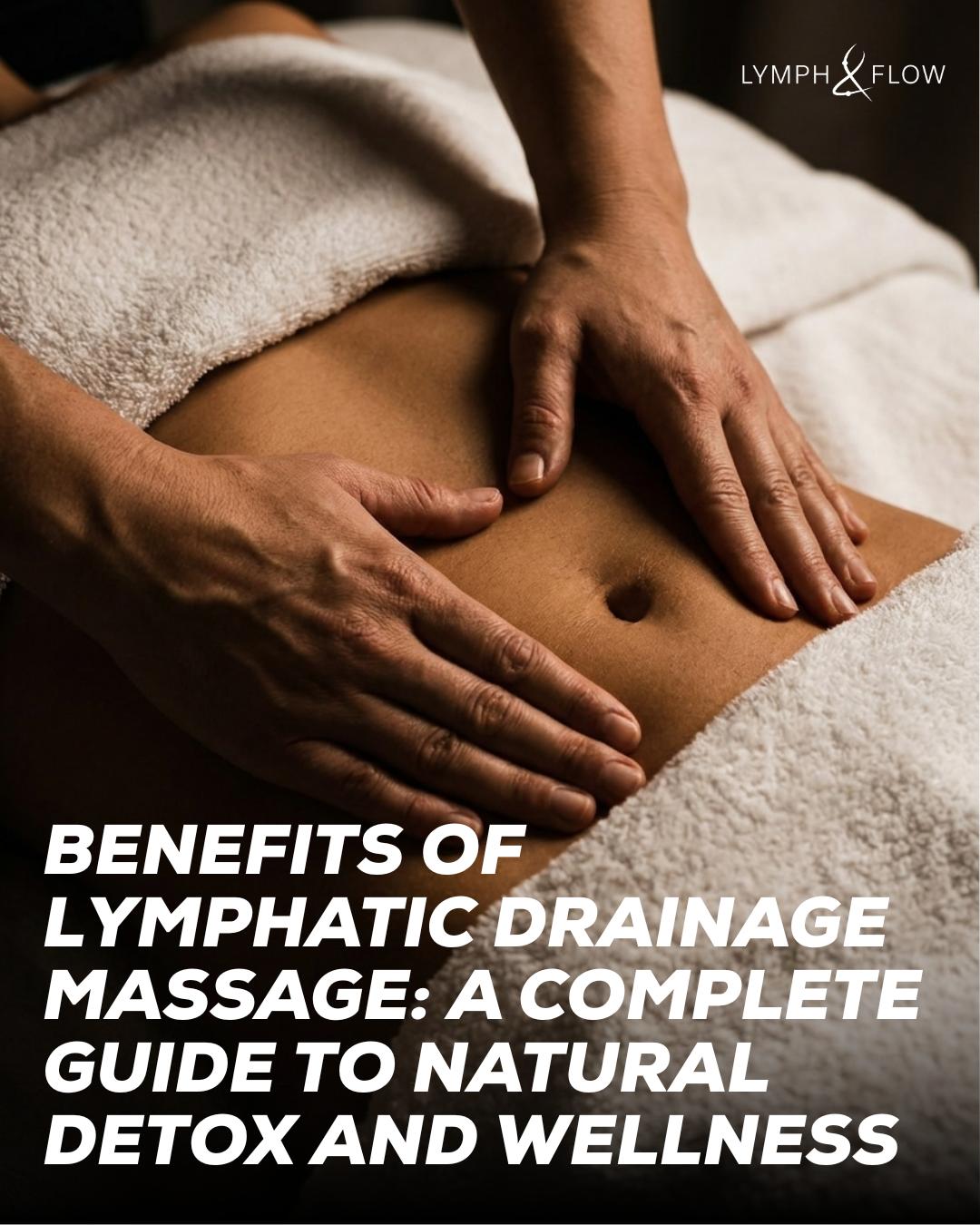
Benefits of Lymphatic Drainage Massage: A Complete Guide to Natural Detox and Wellness
Introduction
In recent years, lymphatic drainage massage has become one of the most sought-after wellness therapies worldwide. From luxury wellness centers in Dubai to specialized recovery clinics across the United Kingdom, United States, Canada, and Australia, more people are turning to this gentle therapeutic treatment to support their overall health and well-being.
Modern lifestyles often involve prolonged sitting, high stress levels, poor circulation, lack of physical activity, and exposure to environmental toxins. These factors can contribute to sluggish lymphatic function, fluid retention, swelling, and feelings of fatigue. As awareness of holistic health continues to grow, lymphatic drainage massage has gained popularity as a natural approach to supporting the body's internal systems.
Unlike traditional massage techniques that primarily focus on muscles, lymphatic drainage massage targets the lymphatic system—a critical network responsible for maintaining fluid balance, supporting immune function, and assisting with waste removal throughout the body.
People seek lymphatic drainage massage for many reasons, including reducing swelling, supporting post-surgical recovery, improving circulation, enhancing athletic recovery, promoting relaxation, and maintaining long-term wellness. While the treatment is not a cure for medical conditions, it can play a valuable role in a comprehensive health and wellness routine when performed appropriately.
This comprehensive guide explores the benefits of lymphatic drainage massage, explains how the lymphatic system works, discusses the science behind the therapy, and helps you understand whether this increasingly popular wellness treatment may be right for you.
What Are the Benefits of Lymphatic Drainage Massage?
Lymphatic drainage massage may provide several wellness benefits, including:
Supporting healthy lymphatic circulation
Reducing swelling and fluid retention
Promoting natural waste removal processes
Assisting post-surgical recovery
Helping reduce feelings of heaviness in the limbs
Supporting immune system function
Encouraging relaxation and stress reduction
Improving overall wellness and recovery
Supporting healthy tissue healing
Enhancing athletic recovery
Promoting fluid balance throughout the body
Helping manage mild inflammation
Improving comfort during travel-related swelling
Supporting holistic self-care routines
Encouraging long-term wellness maintenance
What Is the Lymphatic System?
The lymphatic system is a complex network of vessels, tissues, organs, and lymph nodes that works alongside the circulatory and immune systems.
It plays a crucial role in maintaining overall health by helping transport lymph fluid throughout the body. This fluid contains immune cells, proteins, waste materials, and excess fluid collected from tissues.
Main Functions of the Lymphatic System
1. Supports Immune Function
One of the primary roles of the lymphatic system is protecting the body from harmful substances. Lymph nodes act as filtering stations where immune cells identify and respond to potential threats.
2. Maintains Fluid Balance
Every day, fluid naturally moves between blood vessels and body tissues. The lymphatic system helps collect excess fluid and return it to the bloodstream, preventing unnecessary accumulation.
3. Assists Waste Removal
The lymphatic system helps transport cellular waste, proteins, and other byproducts away from tissues so they can be processed and eliminated by the body.
4. Supports Inflammation Regulation
The movement of lymph fluid contributes to healthy tissue maintenance and helps the body respond appropriately during recovery and healing processes.
5. Transports Essential Components
The lymphatic system also helps transport fats and fat-soluble nutrients absorbed from the digestive system.
Why Is Lymphatic Health Important?
Unlike the circulatory system, which has the heart as a pump, the lymphatic system relies largely on body movement, muscle contractions, breathing, and natural physiological processes to move lymph fluid.
When lymph circulation becomes less efficient, individuals may experience:
Mild swelling
Fluid retention
Feelings of heaviness
Reduced comfort after travel
Temporary bloating
Recovery challenges after surgery or intense exercise
Maintaining healthy lymphatic function is therefore considered an important aspect of overall wellness.
What Is Lymphatic Drainage Massage?
Lymphatic drainage massage is a specialized therapeutic technique designed to encourage the movement of lymph fluid through the body's lymphatic vessels and nodes.
Unlike deep tissue massage, lymphatic drainage uses gentle, rhythmic, and precise movements applied to specific areas of the body.
The goal is not to manipulate muscles but to support the natural movement of lymph fluid throughout the lymphatic system.
What Is Manual Lymphatic Drainage (MLD)?
Manual Lymphatic Drainage (MLD) is the most recognized form of lymphatic drainage massage.
Developed through specialized therapeutic practices, MLD involves carefully structured hand movements performed by trained practitioners who understand lymphatic anatomy and drainage pathways.
The technique is widely used in wellness settings and may also be incorporated into certain medically supervised treatment plans.
How Lymphatic Drainage Massage Works
The treatment generally follows the natural direction of lymph flow.
A practitioner may use:
Light circular movements
Gentle pumping techniques
Rhythmic stretching motions
Sequential drainage patterns
These movements are intended to encourage lymph fluid movement toward functioning lymph nodes where filtering and processing occur.
Many clients describe the treatment as relaxing, calming, and noticeably different from traditional massage therapy.
What Can You Expect During a Session?
A typical lymphatic drainage massage session may include:
Health assessment and consultation
Discussion of wellness goals
Gentle full-body or targeted treatment
Relaxing treatment environment
Post-session hydration recommendations
Depending on the individual's needs, sessions may focus on:
Legs
Arms
Abdomen
Face
Neck
Entire body
Many wellness clinics also combine lymphatic drainage with broader recovery and body-contouring programs.
Top 15 Benefits of Lymphatic Drainage Massage
1. Reduces Swelling
One of the most recognized benefits of lymphatic drainage massage is its ability to help reduce swelling caused by excess fluid accumulation.
Swelling may occur after surgery, long periods of sitting, travel, injury recovery, or temporary fluid retention. By encouraging lymphatic movement, the therapy may help improve fluid distribution throughout the body.
Why It Matters
Excess fluid can create discomfort, feelings of heaviness, and reduced mobility. Supporting proper fluid movement may improve daily comfort and function.
Who Benefits Most?
Post-surgical patients
Frequent travelers
Office workers
Individuals experiencing temporary fluid retention
People with sedentary lifestyles
Practical Example
Someone returning from a long international flight may notice swollen ankles or legs. A lymphatic drainage session may help encourage fluid movement and reduce discomfort.
2. Supports Natural Detoxification
The body possesses its own sophisticated detoxification systems involving the liver, kidneys, digestive system, skin, and lymphatic network.
Lymphatic drainage massage supports the movement of lymph fluid, which plays a role in transporting cellular waste and metabolic byproducts.
Why It Matters
Healthy lymphatic circulation contributes to efficient waste transport and fluid management throughout the body.
Wellness Perspective
It is important to understand that lymphatic drainage does not "flush toxins" in a miraculous way. Instead, it supports natural physiological processes already built into the body.
Who Benefits Most?
Wellness-focused individuals
Busy professionals
Individuals seeking holistic recovery support
People prioritizing preventive wellness
3. Improves Lymphatic Circulation
The lymphatic system depends heavily on movement to keep fluid circulating effectively.
Lymphatic drainage massage may help stimulate this movement and support healthy lymph flow.
Why It Matters
Efficient lymph circulation helps maintain:
Fluid balance
Tissue health
Immune system support
Recovery processes
Practical Example
Individuals with desk jobs often spend many hours sitting. Supporting lymphatic circulation may complement healthy lifestyle habits such as walking and exercise.
4. Promotes Fluid Balance
Fluid balance is essential for overall health.
The lymphatic system helps regulate fluid levels between tissues and the bloodstream. Lymphatic drainage massage may assist the body's natural ability to manage this balance.
Why It Matters
Poor fluid movement can contribute to:
Puffiness
Mild swelling
Discomfort
Temporary bloating
Who Benefits Most?
Travelers
Office workers
Individuals recovering from procedures
People with sedentary lifestyles
5. Helps Reduce Inflammation
Inflammation is a natural response that supports healing and recovery.
However, prolonged or excessive inflammation may contribute to discomfort and delayed recovery.
Lymphatic drainage massage may support the body's natural recovery processes by encouraging healthy fluid movement and tissue maintenance.
Why It Matters
Healthy inflammation management supports:
Recovery wellness
Tissue healing
Comfort during rehabilitation
Overall physical well-being
Practical Example
Athletes often use recovery therapies, including lymphatic drainage massage, as part of broader recovery strategies following intense physical activity.
6. Supports Post-Surgical Recovery
Post-surgical lymphatic drainage has become increasingly popular in recovery programs around the world.
Many practitioners use specialized lymphatic techniques to help support comfort and fluid management during recovery.
Potential Benefits
Reduced swelling
Improved comfort
Support for healing processes
Better mobility during recovery
Important Note
Post-surgical lymphatic drainage should always be performed according to healthcare provider recommendations and by qualified professionals experienced in post-operative care.
7. Enhances Athletic Recovery
Athletes place significant demands on their bodies.
Intense training sessions can contribute to temporary inflammation, muscle fatigue, and fluid accumulation.
Lymphatic drainage massage is often incorporated into athletic recovery programs because of its potential role in supporting recovery and comfort.
Why Athletes Use It
Recovery support
Reduced feelings of heaviness
Improved circulation
Enhanced relaxation
Wellness maintenance
Who Benefits Most?
Professional athletes
Recreational athletes
Runners
Cyclists
Fitness enthusiasts
8. Encourages Relaxation
Beyond its physical benefits, lymphatic drainage massage is often described as deeply relaxing.
The gentle, rhythmic nature of the treatment may help calm the nervous system and promote a sense of well-being.
Why It Matters
Chronic stress can affect many aspects of health, including sleep quality, recovery, and overall wellness.
Relaxation-focused therapies may support:
Stress management
Better recovery
Improved self-care habits
Enhanced wellness routines
Practical Example
Busy professionals often schedule lymphatic drainage sessions as part of a broader wellness strategy that includes exercise, nutrition, and stress management.
9. Improves Skin Appearance
Healthy circulation and fluid balance play important roles in maintaining the appearance of the skin. Lymphatic drainage massage may help reduce temporary puffiness and support healthy tissue function, which can contribute to a more refreshed and radiant appearance.
Why It Matters
When excess fluid accumulates beneath the skin, it can contribute to puffiness and uneven texture. Supporting lymphatic circulation may help improve overall skin wellness.
Who Benefits Most?
Individuals experiencing facial puffiness
Wellness-focused adults
Frequent travelers
People seeking holistic skincare support
Practical Example
Many people choose facial lymphatic drainage treatments before important events because they may help reduce temporary puffiness and promote a refreshed appearance.
10. May Reduce Bloating
Temporary bloating can occur for many reasons, including dietary choices, travel, hormonal fluctuations, and fluid retention.
Lymphatic drainage massage may help support healthy fluid movement, which can contribute to a feeling of lightness and comfort.
Why It Matters
Bloating can affect comfort, confidence, and overall well-being. While it is not a cure for digestive issues, lymphatic support may complement healthy lifestyle habits.
Who Benefits Most?
Frequent travelers
Busy professionals
Individuals experiencing temporary water retention
Wellness-conscious individuals
11. Supports Immune Function
The lymphatic system is closely connected to the body's immune defenses. Lymph nodes help filter lymph fluid and support the movement of immune cells throughout the body.
Lymphatic drainage massage may help encourage healthy lymph circulation, which supports the normal functioning of the lymphatic system.
Why It Matters
A well-functioning lymphatic system contributes to overall wellness and immune system support.
Important Note
Lymphatic drainage massage is not a treatment for illness and should not be viewed as a replacement for medical care. However, maintaining healthy lymphatic circulation is an important aspect of overall health.
12. Helps Relieve Heavy Legs
Many individuals experience sensations of heaviness in the legs after long periods of standing, sitting, or travel.
Lymphatic drainage massage may help improve comfort by encouraging healthy fluid movement throughout the lower body.
Why It Matters
Heavy legs can affect mobility, exercise performance, and daily activities.
Who Benefits Most?
Office workers
Retail employees
Healthcare professionals
Frequent flyers
Older adults
Practical Example
Someone who spends an entire day sitting at a desk may notice tired or heavy legs by evening. Lymphatic drainage can be part of a broader wellness strategy that includes movement and hydration.
13. Encourages Better Mobility
When swelling, fluid retention, or feelings of heaviness occur, movement can become less comfortable.
By supporting healthy fluid distribution, lymphatic drainage massage may contribute to improved comfort and mobility.
Why It Matters
Mobility is essential for maintaining an active lifestyle and supporting overall physical wellness.
Who Benefits Most?
Athletes
Older adults
Post-surgical patients
Individuals recovering from physical strain
14. Supports Overall Wellness
One of the reasons lymphatic drainage massage continues to grow in popularity is its ability to complement a comprehensive wellness routine.
Many individuals incorporate it alongside:
Exercise
Healthy nutrition
Quality sleep
Stress management
Recovery therapies
Why It Matters
Wellness is not based on a single treatment. Rather, it is built through consistent healthy habits that support the body's natural functions.
Lymphatic drainage massage can be one component of a holistic wellness approach.
15. Promotes Long-Term Self-Care
Modern life often prioritizes productivity over recovery.
Lymphatic drainage massage encourages individuals to dedicate time to recovery, relaxation, and wellness maintenance.
Why It Matters
Long-term health often depends on preventive habits rather than reactive solutions.
Regular self-care practices may contribute to:
Better stress management
Improved recovery
Enhanced well-being
Greater body awareness
Practical Example
Many wellness-focused individuals schedule lymphatic drainage sessions monthly as part of a long-term self-care strategy.
Who Benefits Most From Lymphatic Drainage Massage?
While many people may enjoy the wellness benefits of lymphatic drainage massage, certain groups often find it particularly valuable.
Office Workers
Extended periods of sitting can reduce movement and contribute to temporary fluid retention. Lymphatic drainage may help support circulation and comfort.
Athletes
Athletes frequently use recovery therapies to support training performance and recovery between sessions.
Frequent Travelers
Long flights and extended travel can contribute to swelling in the legs and feet. Lymphatic drainage may help support fluid balance.
Post-Surgical Patients
Under appropriate professional guidance, lymphatic drainage may be included in recovery plans designed to manage swelling and support comfort.
Older Adults
As activity levels change with age, maintaining healthy circulation and mobility becomes increasingly important.
Busy Professionals
Individuals with demanding schedules often seek wellness therapies that support relaxation, recovery, and stress management.
Individuals With Fluid Retention
People who experience occasional swelling or water retention may benefit from therapies that support healthy lymphatic circulation.
Wellness-Focused Individuals
Many people incorporate lymphatic drainage into broader wellness programs focused on preventive health and self-care.
Lymphatic Drainage Massage for Natural Detox and Wellness
What Does Detox Really Mean?
The term "detox" is often misunderstood.
In a scientific and wellness context, detoxification refers to the body's natural processes for removing waste and byproducts through organs such as:
Liver
Kidneys
Digestive system
Skin
Lymphatic system
These systems work continuously to maintain internal balance.
The Role of the Lymphatic System
The lymphatic system contributes to detoxification by transporting waste materials, excess proteins, immune cells, and fluid away from tissues.
Healthy lymph circulation supports these natural processes.
Common Detox Misconceptions
Many wellness marketing claims suggest that detoxification can happen instantly or dramatically.
In reality:
The body already possesses highly effective detoxification systems.
No massage can "flush out toxins" overnight.
Wellness therapies support normal physiological processes rather than replace them.
Realistic Expectations
Lymphatic drainage massage may help support:
Fluid balance
Recovery
Circulation
Relaxation
Wellness maintenance
However, it should be viewed as part of a healthy lifestyle rather than a miracle solution.
Scientific Perspective on Lymphatic Drainage Massage
Research into lymphatic drainage massage continues to evolve.
Several studies and clinical applications suggest potential benefits in areas such as:
Lymphedema management
Post-surgical recovery
Swelling reduction
Comfort improvement
Quality of life enhancement
Evidence-Supported Applications
Current evidence most strongly supports lymphatic drainage in:
Lymphedema Management
Manual lymphatic drainage is widely recognized as one component of comprehensive lymphedema treatment programs.
Post-Surgical Recovery
Many healthcare providers incorporate lymphatic techniques into recovery plans to help manage swelling.
Swelling and Fluid Management
Research indicates that lymphatic drainage may support fluid movement and comfort in certain circumstances.
Areas Requiring More Research
Additional studies are still needed to better understand:
Long-term wellness outcomes
Athletic recovery benefits
Immune system effects
General population applications
While existing evidence is encouraging, ongoing research will continue to clarify the full range of benefits.
When Should You Consider Lymphatic Drainage Massage?
You may wish to explore lymphatic drainage massage if you experience:
Common Signs
Mild swelling
Fluid retention
Feelings of heaviness in the legs
Puffiness
Temporary bloating
Recovery challenges after travel
Wellness Goals
Many individuals seek lymphatic drainage to support:
Recovery
Relaxation
Circulation
Self-care routines
Overall wellness optimization
Recovery Needs
Athletes and post-surgical patients often explore lymphatic drainage as part of structured recovery programs.
Professional Recommendation
Always consult a qualified healthcare provider when symptoms are persistent, severe, or associated with an underlying medical condition.
Is Lymphatic Drainage Massage Safe?
Lymphatic drainage massage is generally considered safe when performed by a trained and qualified professional.
The technique uses gentle pressure and is typically well tolerated by most healthy individuals.
Safety Considerations
Before treatment, inform your practitioner about:
Medical conditions
Recent surgeries
Current medications
Cardiovascular issues
Kidney conditions
History of blood clots
How Often Should You Get Lymphatic Drainage Massage?
The ideal frequency depends on individual goals.
Wellness Maintenance
Once or twice per month
Recovery Programs
Weekly sessions may be recommended by qualified professionals
Post-Surgical Care
Frequency should follow healthcare provider guidance
Who Should Avoid Lymphatic Drainage Massage?
Lymphatic drainage massage may not be appropriate for everyone.
Individuals should seek medical advice before treatment if they have:
Active infections
Congestive heart failure
Deep vein thrombosis (DVT)
Blood clotting disorders
Certain kidney conditions
Uncontrolled medical conditions
Medical Disclaimer
This article is intended for educational purposes only and should not replace professional medical advice, diagnosis, or treatment. Always consult a qualified healthcare professional before beginning any new wellness therapy.
Expert Tips to Support Lymphatic Health Naturally
While lymphatic drainage massage can be beneficial, daily habits also play a major role in maintaining healthy lymphatic function.
Stay Hydrated
Adequate hydration supports fluid movement throughout the body.
Walk Regularly
Walking stimulates muscle contractions that help move lymph fluid.
Exercise Consistently
Physical activity encourages healthy circulation and recovery.
Practice Deep Breathing
Deep breathing helps stimulate lymphatic movement through changes in internal pressure.
Prioritize Nutritious Foods
A balanced diet supports overall health and recovery.
Get Quality Sleep
Sleep plays a vital role in recovery and wellness maintenance.
Manage Stress
Chronic stress can negatively affect multiple body systems.
Support Recovery Habits
Include stretching, movement, relaxation, and self-care as part of a long-term wellness strategy.
Lymphatic drainage massage supports healthy lymphatic circulation.
It may help reduce swelling and fluid retention.
The therapy can support post-surgical and athletic recovery.
It promotes relaxation and overall wellness.
Healthy lymphatic function contributes to fluid balance and immune support.
The treatment should complement—not replace—healthy lifestyle habits.
Scientific evidence supports several therapeutic applications, while additional research continues.
Professional guidance is important for individuals with underlying medical conditions.
Conclusion
The benefits of lymphatic drainage massage extend far beyond simple relaxation. By supporting healthy lymphatic circulation, fluid balance, recovery, and overall wellness, this gentle therapeutic technique has become a valuable component of many modern self-care and recovery programs.
Whether you are an athlete seeking improved recovery, a frequent traveler dealing with swelling, a post-surgical patient following a recovery plan, or simply someone interested in optimizing wellness, lymphatic drainage massage may offer meaningful support when incorporated into a healthy lifestyle.
While it is important to maintain realistic expectations and recognize that lymphatic drainage is not a cure-all solution, the therapy can complement exercise, hydration, nutrition, stress management, and quality sleep as part of a holistic wellness strategy.
If you are considering lymphatic drainage massage, consult a qualified professional who understands lymphatic health and can tailor treatment recommendations to your individual needs. When combined with healthy daily habits, lymphatic drainage massage can become a valuable tool for supporting long-term wellness, recovery, and overall quality of life.
Frequently Asked Questions (FAQ)
1. What are the benefits of lymphatic drainage massage?
Lymphatic drainage massage may help reduce swelling, support healthy lymphatic circulation, promote fluid balance, encourage relaxation, assist post-surgical recovery, and support overall wellness. Many individuals also use it to help manage feelings of heaviness, temporary bloating, and recovery after travel or exercise.
2. Does lymphatic drainage massage help detox the body?
Lymphatic drainage massage supports the body's natural detoxification processes by encouraging healthy lymph flow. The lymphatic system helps transport waste products and excess fluid away from tissues. However, it does not "flush toxins" instantly and should be viewed as support for the body's existing detoxification systems.
3. Can lymphatic drainage reduce swelling?
Yes. One of the most recognized benefits of lymphatic drainage massage is helping reduce swelling associated with fluid retention, travel, surgery, or prolonged sitting. By supporting lymph movement, the therapy may help improve comfort and fluid balance.
4. Is lymphatic drainage massage good for inflammation?
Lymphatic drainage massage may support the body's natural recovery processes and healthy fluid movement, which can contribute to inflammation management. While it is not a treatment for inflammatory diseases, it is commonly used as part of broader wellness and recovery programs.
5. How often should I get lymphatic drainage massage?
The ideal frequency depends on your goals. Many people schedule sessions once or twice per month for wellness maintenance. Athletes, post-surgical patients, or individuals with specific recovery needs may benefit from more frequent sessions under professional guidance.
6. Is lymphatic drainage massage painful?
No. Lymphatic drainage massage is generally very gentle and relaxing. Unlike deep tissue massage, it uses light, rhythmic movements designed to encourage lymph flow rather than target muscles. Most clients find the treatment comfortable and calming.
7. Can lymphatic drainage improve circulation?
Lymphatic drainage massage primarily supports lymphatic circulation, but many individuals also report improvements in overall comfort and circulation-related wellness. Healthy fluid movement may contribute to better tissue function and recovery.
8. Does lymphatic drainage help after surgery?
Many healthcare providers recommend lymphatic drainage as part of post-surgical recovery plans. It may help manage swelling, support comfort, and encourage healthy recovery when performed by a trained professional and approved by a healthcare provider.
9. Can lymphatic drainage improve skin appearance?
Lymphatic drainage massage may help reduce temporary puffiness and support healthy fluid balance, which can contribute to a fresher and more radiant appearance. Many people incorporate facial lymphatic drainage into their wellness and skincare routines.
10. Who benefits most from lymphatic drainage massage?
Office workers, athletes, frequent travelers, post-surgical patients, older adults, wellness-focused individuals, and people experiencing fluid retention are among those who commonly benefit from lymphatic drainage massage.
11. Can lymphatic drainage help with bloating?
Lymphatic drainage massage may help reduce feelings of bloating related to temporary fluid retention. While it is not a treatment for digestive disorders, it can complement healthy lifestyle habits that support overall wellness and comfort.
12. How quickly do results appear?
Some individuals notice reduced puffiness, improved comfort, or a feeling of lightness immediately after a session. Results vary based on individual health, treatment goals, hydration levels, and the reason for seeking treatment.
13. Is manual lymphatic drainage safe?
Manual lymphatic drainage is generally considered safe when performed by a qualified professional. However, individuals with certain medical conditions such as active infections, blood clots, or congestive heart failure should seek medical advice before treatment.
14. Can healthy people benefit from lymphatic drainage massage?
Yes. Many healthy individuals use lymphatic drainage massage as part of preventive wellness and self-care routines. The treatment may support relaxation, recovery, circulation, and overall well-being.
15. What are the long-term benefits of lymphatic drainage massage?
Long-term benefits may include support for healthy lymphatic circulation, improved recovery habits, reduced fluid retention, enhanced wellness routines, better stress management, and a greater focus on preventive self-care practices.