
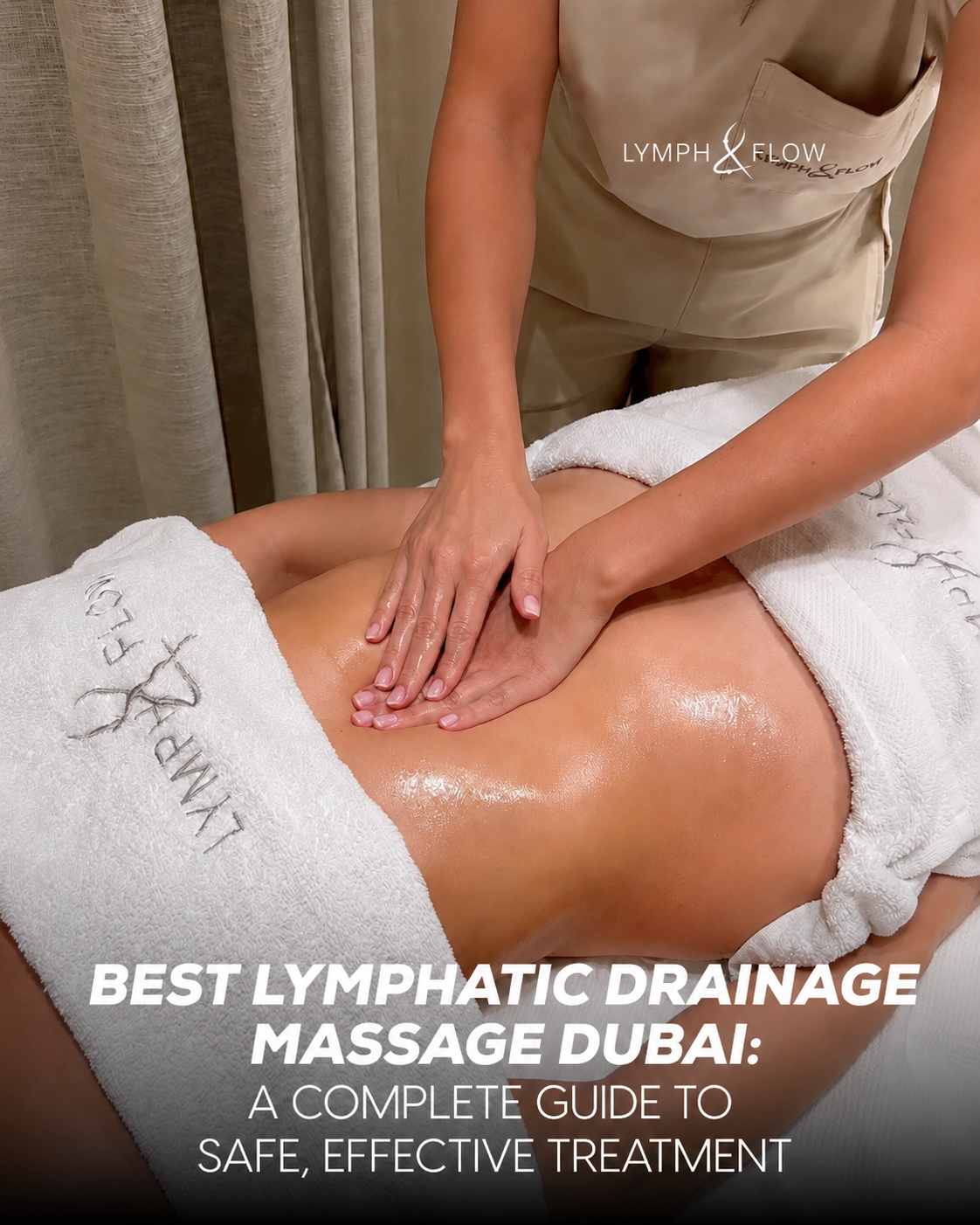
Best Lymphatic Drainage Massage Dubai: A Complete Guide to Safe, Effective Treatment
Dubai's pace of life doesn't leave much room for slowing down. Between long work hours, frequent travel, gym sessions, and a climate that keeps you indoors more than you'd like, it's no surprise that so many residents deal with puffiness, heavy legs, and a general feeling of sluggishness by the end of the week. This is exactly why the search for the best lymphatic drainage massage Dubai has to offer has grown so much over the past few years.
Lymphatic drainage massage isn't a new idea — it's been used in clinical settings for decades — but it's only recently become a mainstream part of the wellness conversation here. People are turning to it for swelling, water retention, post-surgery recovery, poor circulation, and general detoxification support. Unlike a typical relaxation massage, this technique works with a specific system in your body: the lymphatic system, which plays a quiet but essential role in how you feel day to day.
In this guide, we'll walk through what lymphatic drainage massage actually is, who it's suitable for, what a session looks like, and how to evaluate providers so you can make an informed choice rather than picking the first spa that shows up in a search result.
What Is a Lymphatic Drainage Massage?
To understand lymphatic drainage massage, it helps to understand the lymphatic system itself.
Your lymphatic system is a network of vessels, nodes, and tissues that runs parallel to your circulatory system. Its job is to collect excess fluid, waste products, and toxins from your tissues and carry them back toward your bloodstream, where they can eventually be filtered out and removed. It's also a key part of your immune system, since lymph nodes filter out harmful substances and house immune cells that help fight infection.
Unlike your circulatory system, which has the heart to pump blood, the lymphatic system doesn't have its own pump. It relies on muscle movement, breathing, and external stimulation — like massage — to keep fluid moving efficiently. When lymph flow slows down, fluid can build up in tissues, leading to swelling, heaviness, and puffiness.
A lymphatic drainage massage uses light, rhythmic strokes applied in a specific direction to encourage this fluid to move toward the lymph nodes, where it can be processed and removed from the body. It's very different from a deep tissue or sports massage. There's no kneading, no intense pressure, and no working out muscle knots. Instead, therapists use gentle, sweeping motions that follow the natural pathway of the lymphatic vessels, usually starting near the neck and working outward toward the limbs.
The difference in technique is the whole point. Deep pressure can actually compress lymphatic vessels and make fluid movement harder, which is why lymphatic drainage massage relies on a much lighter touch than most people expect.
Benefits of Lymphatic Drainage Massage
The appeal of lymphatic drainage massage comes down to a fairly wide range of benefits, many of which are especially relevant to people living in a hot, high-humidity, high-mobility city like Dubai.
Reduces swelling. By encouraging fluid movement, this massage can help reduce visible puffiness, particularly in the legs, ankles, and face.
Improves circulation. Better lymph flow often supports better overall circulation, since the two systems work closely together.
Boosts immune function. Since lymph nodes are central to immune response, keeping lymph moving efficiently may support the body's natural defense processes.
Helps remove excess fluids. This is particularly relevant for people who experience water retention due to travel, heat, hormonal changes, or long periods of sitting or standing.
Supports post-surgery recovery. Many surgeons recommend lymphatic drainage massage following certain procedures to help manage swelling and bruising, always under proper medical guidance.
Relieves tired, heavy legs. This is one of the most commonly reported benefits, especially for people who are on their feet all day or who fly frequently.
Reduces water retention. Whether it's from diet, hormones, or heat, water retention responds well to consistent lymphatic support.
Promotes relaxation. The slow, rhythmic nature of the massage has a calming effect on the nervous system, similar to other gentle bodywork techniques.
Improves skin appearance. Better fluid movement can contribute to a more even, less puffy appearance over time.
Supports overall wellness. Many clients use it as part of a broader self-care or detox-focused routine rather than for a single specific concern.
It's worth being clear that lymphatic drainage massage is a supportive wellness practice, not a medical treatment for any disease, and results vary from person to person.
Who Should Consider Lymphatic Drainage Massage?
This type of massage tends to appeal to a fairly broad range of people, including:
- Office workers who sit for long stretches and notice swelling in their legs or ankles by the end of the day.
- Frequent travelers, since long flights are a common trigger for fluid retention and puffiness.
- Athletes looking for a recovery-focused treatment that complements training without adding physical strain.
- New mothers, in cases where a healthcare provider has confirmed it's appropriate for their specific recovery stage.
- Individuals recovering from surgery, always with clearance and guidance from their surgeon or physician.
- People experiencing general fluid retention, whether related to heat, diet, or lifestyle factors.
- Anyone seeking a gentle, relaxing form of wellness massage that doubles as light physical support for the body.
If you fall into a medical category — recent surgery, a diagnosed lymphatic condition, or a chronic illness — always check with your doctor before booking a session.
Best Lymphatic Drainage Massage in Dubai — What to Look For
Dubai has no shortage of spas and wellness centers offering lymphatic drainage massage, which makes it genuinely difficult to tell which providers actually know what they're doing. Rather than chasing rankings or star ratings alone, it helps to know what separates a well-run clinic from one that's just following a trend.
Certified therapists. Lymphatic drainage is a specific technique that requires proper training. A qualified therapist should be able to explain their certification and background without hesitation.
Hygiene standards. Clean treatment rooms, sanitized equipment, and clear health protocols are non-negotiable, especially in a treatment involving direct skin contact.
Personalized treatment plans. A good provider will ask about your health history, current concerns, and goals before recommending a treatment plan, rather than offering a one-size-fits-all session.
Professional consultation. Before your first session, you should have a real conversation about your needs, any contraindications, and what to expect.
Customer reviews. Genuine, detailed reviews — not just star ratings — can tell you a lot about consistency and professionalism.
Modern facilities. While not the most important factor, a clean, well-maintained, comfortable environment often reflects a provider's overall standards.
Safety protocols. This includes screening for contraindications, using appropriate pressure, and knowing when to refer a client to a doctor instead of proceeding with treatment.
It's worth repeating: no single spa or clinic can be objectively labeled "the best" for everyone. What matters is finding a provider whose qualifications, approach, and communication match what you're looking for.
Manual vs Machine Lymphatic Drainage
There are two broad approaches to lymphatic drainage: manual technique and machine-assisted methods. Each has its place, depending on your goals and preferences.
| Method | How It Works | Best For |
|---|---|---|
| Manual Lymphatic Drainage (MLD) | Hands-on technique using light, rhythmic strokes | General wellness, relaxation, personalized pressure and pacing |
| Compression Therapy | Air-filled sleeves or boots apply sequential pressure | Leg swelling, athletes, travel-related puffiness |
| Pressotherapy | A specific form of compression therapy using targeted air chambers | Full-body treatments, detox-focused sessions |
| Modern Combination Devices | Blend of vibration, light compression, and manual technique | Clients wanting a hybrid, tech-assisted experience |
Manual technique is generally considered the gold standard because a trained therapist can adjust pressure and direction in real time based on how your body responds. It also allows for a more personalized, calming experience.
Compression therapy and pressotherapy are popular for their consistency and convenience. They're often used for larger areas like the legs and can be a good complement to manual sessions rather than a full replacement.
Neither approach is universally "better." The right choice depends on your specific concern, comfort preferences, and what your therapist recommends after an assessment.
What Happens During a Session?
If you've never had a lymphatic drainage massage before, knowing what to expect can make the experience far less unfamiliar.
Consultation. Your session should start with a short discussion about your health history, current concerns, and any conditions that might affect treatment.
Massage technique. The therapist uses light, rhythmic, sweeping strokes, usually starting near the neck and collarbone before moving toward the affected areas. Pressure is noticeably gentler than a typical massage.
Session duration. Most sessions run between 45 and 90 minutes, depending on whether it's a full-body or targeted treatment.
Pressure used. Expect a light touch — if a session feels like deep tissue work, it's not being performed correctly.
Aftercare recommendations. Therapists commonly suggest drinking plenty of water afterward, since this supports the fluid your body is processing.
Hydration. Staying hydrated before and after your session is one of the simplest ways to support the process.
Expected results. Many people notice reduced puffiness or a lighter feeling shortly after a session, though results and duration vary from person to person.
How Often Should You Get a Lymphatic Drainage Massage?
Frequency really depends on your goal:
- General wellness: Once every 2–4 weeks is common for people using it as part of a regular self-care routine.
- Post-surgery recovery: Frequency should be determined entirely by your surgeon or physician, often starting with more frequent sessions in the initial recovery period.
- Athletes: Weekly or biweekly sessions are sometimes used to support recovery between intense training blocks.
- Detox support: Some people opt for short series of sessions, such as once a week for several weeks, though there's no universal standard.
- Chronic swelling: This should always be guided by a healthcare provider rather than a fixed general schedule, since chronic conditions require individualized care.
There's no single "correct" frequency for everyone. A qualified therapist can help you build a realistic plan based on your specific situation.
Is Lymphatic Drainage Massage Safe?
For most healthy adults, lymphatic drainage massage is considered a low-risk, gentle treatment. That said, it isn't right for everyone, and it's important to be aware of when caution — or medical clearance — is needed.
General safety. Because the technique uses light pressure, it's typically well tolerated and rarely causes discomfort during the session itself.
Contraindications. People with certain heart conditions, active infections, blood clots, kidney problems, or certain cancers should consult a doctor before receiving this type of massage. It's also generally avoided in areas with active skin infections or open wounds.
When to consult a healthcare professional. If you have any chronic illness, are pregnant, have recently had surgery, or are unsure whether the treatment is appropriate for you, check with your doctor first rather than relying solely on a spa's intake form.
Possible temporary side effects. Some people experience mild fatigue, increased urination, or slight light-headedness shortly after a session, as the body processes the fluid shift. These effects are usually short-lived.
This article is intended for general informational purposes and isn't a substitute for personalized medical advice.
Tips for Choosing the Best Lymphatic Drainage Massage in Dubai
With so many options across the city, a bit of due diligence goes a long way:
- Verify therapist qualifications. Ask directly about training and certification in manual lymphatic drainage specifically, not just general massage therapy.
- Read verified reviews. Look for detailed feedback that mentions technique, professionalism, and consistency rather than just overall ratings.
- Check clinic cleanliness. Hygiene should be visibly prioritized, from treatment rooms to linens and equipment.
- Understand pricing. Ask for a clear breakdown of session costs and any packages before booking, so there are no surprises.
- Ask about treatment methods. Confirm whether the session will be manual, machine-assisted, or a combination, and make sure that matches what you're looking for.
- Ensure a proper consultation. A provider that skips the intake conversation and jumps straight into treatment is a red flag, regardless of how polished the space looks.
Taking a few extra minutes to ask these questions before booking can make a meaningful difference in both safety and results.
Frequently Asked Questions
Does lymphatic drainage massage reduce swelling? Yes, for many people it can help reduce visible swelling by encouraging fluid movement, though results vary based on the underlying cause.
How much does lymphatic drainage massage cost in Dubai? Pricing varies widely depending on the provider, session length, and technique used. It's best to request current pricing directly from individual clinics.
How long does one session last? Most sessions run between 45 and 90 minutes, depending on whether it's a targeted or full-body treatment.
Is it painful? No. It should feel gentle throughout. If a session feels painful or overly intense, the pressure being used likely isn't appropriate for true lymphatic drainage technique.
How many sessions are recommended? This depends entirely on your goals. Some people benefit from occasional sessions, while others, particularly in post-surgical recovery, may need a structured series guided by their doctor.
Can it help after cosmetic surgery? Many surgeons recommend lymphatic drainage massage to support recovery and manage swelling after certain procedures, but this should always be coordinated with your surgeon's specific aftercare plan.
Does it improve circulation? It can support overall circulation by working alongside the lymphatic system, though it isn't a direct treatment for circulatory conditions.
Are there any side effects? Some people notice mild fatigue or increased urination shortly afterward as the body processes fluid. These effects are typically temporary.
Can pregnant women receive lymphatic drainage massage? This depends on the stage of pregnancy and individual health factors. Always consult your doctor and inform your therapist if you're pregnant before booking.
Is it suitable for athletes? Yes, many athletes use it as a gentle recovery tool between training sessions, though it shouldn't replace medical treatment for injuries.
Can I combine it with other spa treatments? Many people do, though it's worth spacing out more intense treatments to avoid overloading the body in a single visit.
Will I see results after one session? Some people notice a lighter feeling immediately, but consistent results generally build over multiple sessions.
Is lymphatic drainage the same as a regular massage? No. It uses much lighter pressure and different techniques specifically designed to support lymph flow rather than muscle relaxation.
Conclusion
Finding the best lymphatic drainage massage Dubai has to offer isn't about chasing the flashiest spa or the highest star rating — it's about finding a provider with properly trained therapists, transparent communication, and a genuine focus on safety. Whether you're dealing with swelling, recovering from a procedure under medical guidance, or simply looking for a gentle way to support your body's natural processes, the right lymphatic drainage massage experience starts with informed questions and realistic expectations.
Take the time to ask about qualifications, understand the technique being used, and make sure any provider you choose treats your health history with the seriousness it deserves. A little research upfront goes a long way toward a safer, more effective experience.