
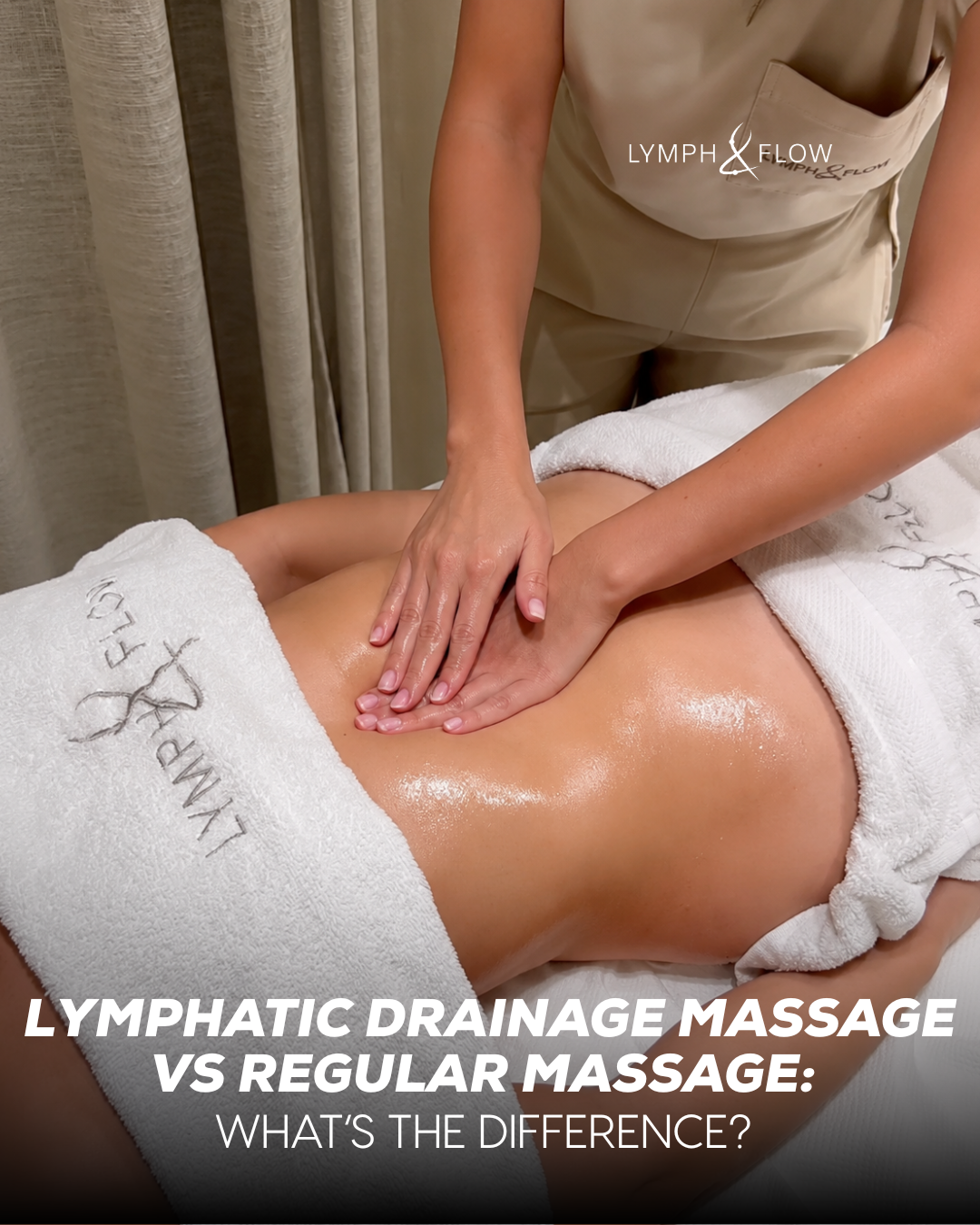
Lymphatic Drainage Massage vs Regular Massage: What's the Difference?
Introduction
Massage therapy has grown into one of the most popular wellness practices in the world, and for good reason. People reach for it to ease sore muscles, recover from surgery, manage stress, or simply slow down for an hour. But "massage" isn't one thing — it's a wide category, and two of the most commonly confused types are lymphatic drainage massage and regular massage (which usually means Swedish, deep tissue, or sports massage).
If you've ever booked a massage and wondered whether you picked the right kind, you're not alone. The two techniques look similar on the surface — both involve trained hands working on your body — but they're designed for very different goals. One focuses on moving fluid through your lymphatic system. The other focuses on muscles, tension, and physical relaxation.
Choosing the wrong one isn't dangerous in most cases, but it can mean you don't get the results you're hoping for. Someone dealing with post-surgical swelling won't get much relief from a deep tissue massage. Someone with tight shoulders from desk work won't see much change from a gentle lymphatic drainage session.
This guide breaks down exactly how lymphatic drainage massage vs regular massage differ — in technique, pressure, purpose, and outcomes — so you can choose with confidence, whether you're in Dubai, London, New York, Toronto, or Sydney.
Medical disclaimer: This article is for informational purposes only and does not replace professional medical advice. Always consult a licensed healthcare provider or certified massage therapist before starting any new massage therapy, especially if you have a medical condition.
Quick Answer Box
What is the main difference between lymphatic drainage massage and regular massage?
- Lymphatic drainage massage uses light, rhythmic strokes to stimulate the lymphatic system and reduce fluid buildup (edema)
- Regular massage (Swedish, deep tissue, sports) uses firmer pressure to target muscles, knots, and tension
- Lymphatic drainage is often medically recommended post-surgery or for swelling conditions
- Regular massage is typically chosen for relaxation, stress relief, or muscle recovery
- Both are safe for most healthy adults, but they serve different wellness purposes
What Is Lymphatic Drainage Massage?
Lymphatic drainage massage — sometimes called manual lymphatic drainage (MLD) — is a specialized technique designed to encourage the natural flow of lymph fluid through the body. The lymphatic system is part of your immune system, and it relies on muscle movement and external stimulation (since it has no pump like the heart) to keep fluid moving properly.
Definition: A massage technique that uses light, rhythmic, skin-stretching movements to direct lymph fluid toward lymph nodes, helping the body reduce swelling and support immune function.
How it works:
The therapist uses gentle, repetitive pumping motions, usually starting near the lymph nodes (neck, armpits, groin) and working outward. The pressure is light — much lighter than people expect — because lymphatic vessels sit just beneath the skin's surface. Pressing too hard can actually be less effective.
Common uses:
- Post-surgical recovery (especially after liposuction, cosmetic surgery, or mastectomy)
- Lymphedema management
- Reducing pregnancy-related swelling
- General detox and wellness routines
- Supporting immune health
Where it's popular: Lymphatic drainage massage has seen a sharp rise in demand across Dubai's medical spa and wellness industry, often paired with post-cosmetic-surgery recovery packages. It's equally common in the UK, US, Canada, and Australia as a standalone wellness treatment.
What Is Regular Massage?
"Regular massage" is a broad term that usually refers to the most common massage styles people book at a spa or clinic: Swedish massage, deep tissue massage, and sports massage. These all focus primarily on the muscular and soft tissue system rather than the lymphatic system.
Definition: A massage style that uses moderate to firm pressure, kneading, and friction techniques to relax muscles, relieve tension, and improve flexibility.
Common styles:
- Swedish massage — long, flowing strokes for relaxation
- Deep tissue massage — firm pressure targeting deeper muscle layers and chronic tension
- Sports massage — targeted technique for athletes, focusing on performance and recovery
How it works:
Therapists use a combination of kneading, friction, stretching, and pressure-point work to release muscle knots, improve blood circulation, and ease physical tension. Pressure can range from light to very firm depending on the client's needs and pain tolerance.
Common uses:
- Muscle tension and chronic tightness
- Stress and anxiety relief
- Sports recovery and injury prevention
- General relaxation
- Improved flexibility and range of motion
Side-by-Side Comparison Table
| Feature | Lymphatic Drainage Massage | Regular Massage |
|---|---|---|
| Purpose | Move lymph fluid, reduce swelling | Relax muscles, relieve tension |
| Pressure | Very light | Light to firm |
| Technique | Rhythmic pumping, skin-stretching | Kneading, friction, deep strokes |
| Areas Treated | Lymph node regions, swollen areas | Muscle groups (back, legs, shoulders) |
| Session Length | 30–60 minutes | 45–90 minutes |
| Primary Benefit | Fluid reduction, immune support | Muscle relief, stress reduction |
| Best Candidates | Post-surgery, swelling, fluid retention | Tight muscles, stress, athletes |
| Recovery Feel | Light, sometimes ticklish | Sore (deep tissue), relaxed (Swedish) |
| Recommended Frequency | 2–3x/week post-surgery, then maintenance | Weekly to monthly |
| Cost Considerations | Often similar or slightly higher (specialized training) | Varies by style and therapist experience |
Key Differences
Purpose
Lymphatic drainage massage exists to support the body's fluid balance and immune system. Regular massage exists to support the muscular system and overall relaxation. If your goal is "reduce swelling," lymphatic drainage wins. If your goal is "release tight shoulders," regular massage wins.
Pressure Applied
This is the difference people are most surprised by. Lymphatic drainage uses pressure so light it can feel like it's barely doing anything — and that's intentional, since lymphatic vessels are delicate. Regular massage, especially deep tissue, can involve significant pressure to reach muscle layers.
Massage Techniques
Lymphatic drainage relies on rhythmic, wave-like pumping motions in a specific sequence toward lymph nodes. Regular massage uses a broader toolkit: kneading, rolling, stretching, friction, and trigger-point pressure.
Areas Targeted
Lymphatic drainage often focuses on areas with visible swelling — legs, arms, face, or post-surgical sites. Regular massage typically targets muscle-dense areas like the back, shoulders, neck, and legs.
Benefits
Lymphatic drainage benefits center on fluid movement, swelling reduction, and immune support. Regular massage benefits center on muscle recovery, flexibility, and stress relief. Example: an athlete with sore quads after a marathon benefits more from sports massage; a patient three days post-liposuction benefits more from lymphatic drainage.
Conditions Addressed
Lymphatic drainage is often recommended for lymphedema, post-surgical swelling, and pregnancy-related fluid retention. Regular massage addresses muscle tension, chronic pain patterns, stress, and sports injuries.
Session Experience
A lymphatic drainage session feels light, almost meditative — some clients say it tickles. A deep tissue massage session can feel intense, sometimes uncomfortable in the moment, followed by relief.
Recovery Expectations
After lymphatic drainage, most people feel light and notice reduced swelling within hours to days. After deep tissue massage, mild soreness for 24–48 hours is common, similar to post-workout soreness.
Frequency of Treatment
Post-surgical lymphatic drainage is often recommended multiple times per week initially, tapering off as swelling subsides. Regular massage is typically booked weekly, biweekly, or monthly based on personal wellness goals.
Professional Training
Lymphatic drainage massage requires specialized certification beyond standard massage therapy training, since incorrect technique can be ineffective or, in rare cases involving certain medical conditions, problematic. Regular massage therapists complete standard licensing programs covering Swedish, deep tissue, and related techniques.
Benefits of Lymphatic Drainage Massage
- Swelling support — Helps reduce fluid buildup in tissues, particularly after surgery or injury
- Fluid movement — Encourages lymph flow when the body's natural pumping mechanism needs assistance
- Wellness recovery — Frequently used as part of post-cosmetic-surgery recovery protocols
- Relaxation — The slow, rhythmic technique has a calming nervous system effect
- Post-surgical care — Commonly recommended by surgeons in Dubai's cosmetic surgery clinics as part of recovery plans
Benefits of Regular Massage
- Muscle relaxation — Releases tension and tight knots built up from daily activity or stress
- Stress relief — Lowers cortisol and promotes a parasympathetic (rest-and-digest) response
- Flexibility — Improves range of motion by loosening tight fascia and muscle tissue
- Pain management — Often used alongside physical therapy for chronic pain conditions
- Sports recovery — Helps athletes recover faster between training sessions and competitions
Which Massage Should You Choose?
Swelling
Choose lymphatic drainage massage. It's specifically designed to move excess fluid and reduce puffiness.
Stress
Either can help, but Swedish massage is generally the better fit for pure relaxation and stress relief.
Muscle soreness
Choose deep tissue or sports massage. Lymphatic drainage isn't designed to release muscle knots.
Athletic recovery
Sports massage is typically the better choice, though some athletes combine it with lymphatic drainage for circulation support.
Post-surgery wellness
Lymphatic drainage massage is usually the medically appropriate option, often recommended directly by the surgeon.
Relaxation
Swedish massage is the classic choice for pure unwind-and-relax sessions.
Fluid retention
Lymphatic drainage massage, particularly useful during pregnancy or for chronic mild edema (with medical clearance).
General wellness
Many people rotate between both — lymphatic drainage for fluid and immune support, regular massage for muscle and stress relief.
Can You Combine Both Therapies?
Yes, many wellness routines include both. They're not competing therapies — they support different systems in the body. A common approach is alternating sessions: a deep tissue or Swedish massage for muscle tension, and a separate lymphatic drainage session for fluid balance and recovery support.
Some clients, particularly those recovering from surgery or managing chronic swelling alongside muscle tightness, work with their therapist or doctor to build a combined schedule. The key is professional guidance — a qualified therapist can advise on spacing sessions appropriately so neither treatment interferes with the other.
Scientific Perspective
Manual lymphatic drainage has accepted clinical use, particularly in managing lymphedema following cancer treatment (such as breast cancer-related lymphedema after lymph node removal). It's a recognized component of decongestive therapy in many physical therapy and oncology rehabilitation programs.
Regular massage techniques like Swedish and deep tissue have research support for short-term reduction in muscle soreness, improved relaxation, and reduced perceived stress, though effects on long-term chronic pain are still being studied.
Both therapies are considered complementary wellness approaches rather than standalone medical treatments for serious conditions. Anyone using either massage type to manage a diagnosed medical condition should do so under guidance from their physician or a certified lymphedema therapist, not as a replacement for medical care.
Is Either Massage Safe?
Both lymphatic drainage massage and regular massage are considered safe for most healthy adults when performed by a licensed, trained professional. That said, "safe" depends heavily on technique, pressure, and the client's individual health profile.
- Always disclose your full medical history to your therapist before starting
- Choose therapists with proper certification (MLD certification for lymphatic drainage specifically)
- Start with lighter sessions if you're new to either technique
- Home self-massage techniques exist for both, but should be learned from a professional first
- If you have any chronic condition, get medical clearance before starting
Who Should Avoid Certain Massage Therapies?
Certain groups should avoid one or both massage types without direct medical supervision:
- Active infections — Massage can potentially spread infection through increased circulation
- Blood clots (DVT) — Both massage types are typically contraindicated due to clot displacement risk
- Severe injuries — Open wounds, fractures, or acute injuries need medical clearance first
- Certain heart conditions — Congestive heart failure and similar conditions require physician approval
- Kidney conditions — Impaired kidney function can affect how the body processes increased fluid movement
- Unexplained swelling — Should be medically evaluated before any massage, since swelling can signal an underlying condition
Medical disclaimer: This list is not exhaustive. Always consult a doctor before beginning massage therapy if you have any of the above conditions or other health concerns.
Expert Wellness Recommendations
- If you're recovering from surgery, ask your surgeon specifically whether lymphatic drainage massage is recommended for your case
- If you're dealing with everyday muscle tension, start with Swedish massage before moving to deep tissue
- Always book with certified, licensed therapists — credentials matter more than price
- Don't expect deep tissue results from a lymphatic drainage session, or vice versa — they're built for different outcomes
- Track how your body responds after each session type to figure out what your routine actually needs
- When in doubt, a brief consultation call with the therapist beforehand can clarify which technique fits your goals
Key Takeaways
- Lymphatic drainage massage targets the lymphatic system using light, rhythmic pressure to reduce swelling and support immune function
- Regular massage (Swedish, deep tissue, sports) targets muscles using moderate to firm pressure for relaxation and recovery
- Lymphatic drainage is often medically recommended post-surgery or for fluid retention
- Regular massage is the better choice for muscle tension, stress relief, and athletic recovery
- Both therapies can be combined as part of a broader wellness routine, with professional guidance
- Certain medical conditions require clearance before either massage type
- Choosing the right massage depends entirely on your specific goal fluid management vs. muscle relief
Conclusion
Lymphatic drainage massage and regular massage aren't competing for the same job they're built for different ones. Lymphatic drainage is the right call when swelling, fluid retention, or post-surgical recovery is the priority. Regular massage, whether Swedish, deep tissue, or sports-focused, is the right call when muscle tension, stress, or physical recovery is the goal.
Many people benefit from both at different times, depending on what their body needs that month. The best approach is to match the therapy to the goal rather than picking based on habit or familiarity.
If you're unsure which option fits your situation, the smartest first step is a conversation with a qualified, licensed massage therapist or your physician. They can assess your specific needs whether that's post-surgical care, chronic swelling, athletic recovery, or simply unwinding after a long week — and recommend the therapy that will actually deliver the results you're looking for.
FAQ Section
1. What is lymphatic drainage massage?
Lymphatic drainage massage is a gentle technique using rhythmic, light pressure to stimulate lymph flow and reduce fluid buildup. It supports the immune system and is commonly used after surgery or for swelling-related conditions, helping the body move excess fluid more efficiently.
2. What is regular massage?
Regular massage refers to common styles like Swedish, deep tissue, and sports massage. These use moderate to firm pressure to relax muscles, release tension, and improve circulation, primarily targeting the muscular system rather than the lymphatic system.
3. What is the biggest difference between the two?
The biggest difference is pressure and purpose. Lymphatic drainage uses very light pressure to move fluid through the lymphatic system, while regular massage uses firmer pressure to target muscle tension, knots, and overall physical relaxation.
4. Which massage is better for swelling?
Lymphatic drainage massage is specifically designed for swelling and fluid retention. Its light, rhythmic technique encourages lymph flow toward lymph nodes, making it the more effective option for post-surgical or condition-related swelling.
5. Which massage is better for stress?
Swedish massage, a form of regular massage, is generally more effective for stress relief. Its long, flowing strokes promote relaxation and reduce cortisol levels, though lymphatic drainage's gentle technique can also feel calming.
6. Can lymphatic drainage replace regular massage?
No. Lymphatic drainage targets fluid movement, not muscle tension. If your goal is releasing tight muscles or knots, regular massage techniques like deep tissue are more effective and serve a different physiological purpose entirely.
7. Can both therapies be combined?
Yes, many people combine both as part of a wellness routine, using lymphatic drainage for fluid balance and regular massage for muscle relief. A therapist or doctor can help schedule sessions appropriately.
8. Is lymphatic drainage massage painful?
No, lymphatic drainage massage should never be painful. It uses very light pressure, often described as gentle or even ticklish. If a session feels painful, the pressure may be too firm or technique incorrect.
9. Which massage is better after surgery?
Lymphatic drainage massage is typically the medically recommended option after surgery, particularly cosmetic procedures. It helps manage post-operative swelling, though surgeons should always confirm timing and appropriateness for each case.
10. How often should you get each type?
Post-surgical lymphatic drainage is often recommended two to three times weekly initially, then less frequently. Regular massage is typically booked weekly to monthly depending on personal goals and muscle tension levels.
11. Which massage improves circulation?
Both improve circulation in different ways. Lymphatic drainage specifically boosts lymph fluid circulation, while regular massage improves blood circulation to muscles through kneading and pressure techniques.
12. Is lymphatic drainage better than deep tissue massage?
Neither is "better" — they serve different purposes. Lymphatic drainage is better for swelling and fluid issues, while deep tissue massage is better for chronic muscle tension and deep-seated knots.
13. Which therapy helps muscle soreness?
Deep tissue or sports massage is more effective for muscle soreness. These techniques target deeper muscle layers and trigger points, while lymphatic drainage's light pressure doesn't address muscular tension directly.
14. Are both massages safe?
Both are generally safe for healthy adults when performed by licensed professionals. However, certain conditions like blood clots, infections, or heart issues require medical clearance before either type of massage.
15. How do I choose the right massage?
Match the massage to your goal: choose lymphatic drainage for swelling or post-surgical recovery, and regular massage for muscle tension or stress relief. When unsure, consult a licensed therapist or your physician.